What Is the Biggest Change Smartphones Made to Entertainment Expectations?
Smartphones have revolutionized our relationship with entertainment, reshaping not only what we consume but how, when, and where we engage with media. At the heart of this evolution lies a powerful convergence of devices and technologies — most notably the integration of the camera and MP3 player into a single handheld gadget. This convergence has ushered in profound shifts in our entertainment expectations, driving a culture of instant access entertainment, on-demand everywhere, and a short session mindset.
From Device Convergence to Entertainment Everywhere
Before smartphones dominated the landscape, entertainment was siloed across various devices. People carried separate gadgets for different media types — a dedicated MP3 player for music, a digital camera for photos, maybe a handheld gaming console or a PDAs for basic apps. Each involved a learning curve, storage management, and limited portability in multiple pockets.
With the advent of the smartphone, these once-disparate devices merged into one portable powerhouse. The smartphone combined:
- Camera: Initially a simple VGA lens, evolved quickly into multi-lens systems capable of professional-style photography and video recording.
- MP3 Player: From clunky, single-purpose players like early iPods and Walkmans to integrated music apps with expansive cloud libraries.
- Internet Browser and Apps: A portal to virtually limitless content — videos, games, books, streaming shows — accessible under a unified interface.
This convergence changed entertainment expectations radically. Visit this website Suddenly, people had instant access entertainment in their pockets without carrying extra hardware or syncing files manually. One device, many experiences, available on demand everywhere.
Short-Session Entertainment Behavior: The New Norm
This convergence gave rise to a short session culture — entertainment consumption in brief, accessible bursts rather than long, scheduled intervals.
Consider these examples of how smartphone dynamics molded behavior:
- Waiting in line? Scroll through Instagram reels or short videos.
- On commute? Listen to a podcast episode or a curated playlist.
- Quick break at work? Play a brief mobile game or watch a teaser clip.
The https://technivorz.com/how-do-i-stop-my-phone-from-constantly-grabbing-my-attention/ expectation became that entertainment should be bite-sized, effortlessly accessible, and able to fit into fragmented time slots. This contrasts sharply with traditional media consumption, where TV shows, movies, or albums demanded prolonged attention spans and fixed viewership times.
Progress Syncing and Friction Reduction
One oft-overlooked shift smartphones introduced is progress syncing — the ability to pick up exactly where you left off, across devices, without hassle.

Earlier devices often required manual syncing with computers via cables and specialized software, which was cumbersome and error-prone. Smartphones leverage persistent cloud syncing to reduce friction. For example:
- Streaming apps remember the exact second you paused a video or podcast.
- Games restore player checkpoints seamlessly, regardless of switching between devices.
- Photo and video edits sync automatically across devices, enabling instant sharing.
This friction reduction supports the on demand everywhere expectation by smoothing transitions and making media consumption fluid and context-aware.
Browser Experiences Catching Up to Native Apps
Initially, native apps were the primary way to deliver rich entertainment content on smartphones. They optimized performance, offline access, and UI design for small screens, making apps the preferred choice for streaming music, video, and gaming.
However, browser technology has caught up impressively, allowing users to access much of the same content without installing apps. Progressive Web Apps (PWAs), streaming services with responsive websites, and powerful mobile browsers reduce the barrier to instant engagement:
- No download or update delays — open a link and start watching or playing.
- Consistent UI design across platforms.
- Seamless fallback with offline capabilities.
This blurs the lines between “app” and “web,” further reinforcing that entertainment must be instantly accessible — no matter the entry point.
The Common Mistake: Leaving Out Prices
While discussing these wholesale shifts, it's important to highlight a frequent oversight in conversations about smartphone entertainment: price transparency.
Many articles and analyses dive into features and capabilities while neglecting to mention the potential costs users face.
Here’s a brief overview of typical price considerations consumers encounter in smartphone entertainment:
Category Typical Pricing Notes Device Cost $300–$1,200+ Upfront expense for a quality smartphone that can handle entertainment apps smoothly. Music Streaming Subscriptions $10/month (e.g. Spotify, Apple Music) Access to massive libraries, offline listening, and cross-device syncing. Video Streaming Services $6–$20/month (e.g. Netflix, Disney+, YouTube Premium) On-demand access to movies, shows, and exclusive content. In-App Purchases / Games Free to $100+ Varies greatly; often includes cosmetics, levels, or one-time purchases for games or utilities.Understanding these costs is critical. Instant access entertainment and on-demand everywhere feel like “free” luxuries, but sustaining them often involves ongoing fees or one-time purchases. Transparency ensures users make informed choices and manage expectations.
Summary: Smartphones Redefined Entertainment Expectations
The biggest change smartphones made to entertainment expectations is not just the addition of new features, but a fundamental reshaping of how, when, and where we consume media. This was driven by:
- Device convergence: Combining camera, MP3 player, internet browser, and apps into one device made entertainment instantly accessible without juggling multiple gadgets.
- Short session culture: Media consumption adapted to fragmented time, favoring brief, casual interactions over marathon sessions.
- Progress syncing and friction reduction: Cloud syncing allowed continuity and frictionless transitions across devices and contexts.
- Browser experience improvements: Moving from app exclusivity to seamless browser and PWA engagement removed entry barriers.
Coupled with a need for greater price transparency, these shifts encapsulate why smartphones have transformed entertainment from something you plan around, into an “anytime, anywhere” experience tailored to the modern, fast-paced lifestyle.
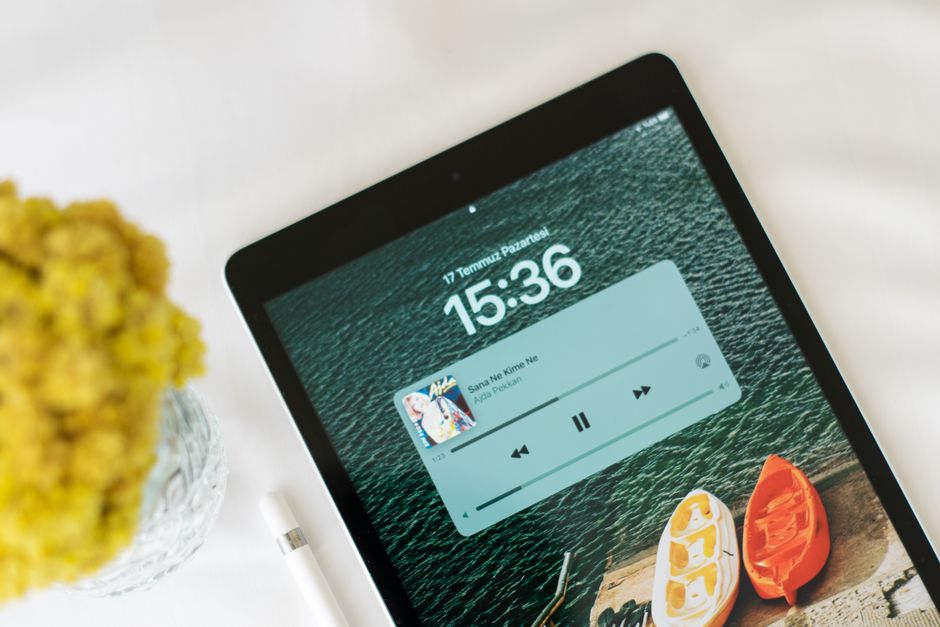
Embracing this evolution, designers and content creators must prioritize swift, intuitive access to content, respect short attention spans, and maintain friction-free experiences. After all, in the world of smartphone entertainment, expectations now center on immediacy, convenience, and seamless integration.